By Donna Sharpe, Editor, Flood Industry magazine
The climate crisis is no longer a peripheral threat; it is a defining challenge for Scotland’s infrastructure, economy, and social fabric. This reality formed the backdrop of Scotland’s 2026 Flood Resilience conference, a sell-out hybrid event hosted by Verture (the UK’s climate resilience charity formerly known as Sniffer).
While the physical heart of the event was in Scotland, its reach was truly national. As Editor of Flood Industry Magazine, I joined the 260 online attendees from my home in Cornwall, over 500 miles away.
Despite the distance, the experience was both incredibly informative and deeply inspiring. Verture’s commitment to a hybrid model was not merely a logistical choice but a testament to their mission of inclusivity. Through the innovative use of the technology, those of us at home were seamlessly integrated into the room, our questions addressed in real-time alongside the 521 in-person registrants and the ability to join the in-person activity sessions. It was a masterclass in how modern conferences can bridge geographical divides to foster a genuine sense of shared purpose.
Over two days, under the theme “Creating a flood resilient Scotland: Sharing experiences, shaping the future,” we explored three critical pillars: place, people, and process.
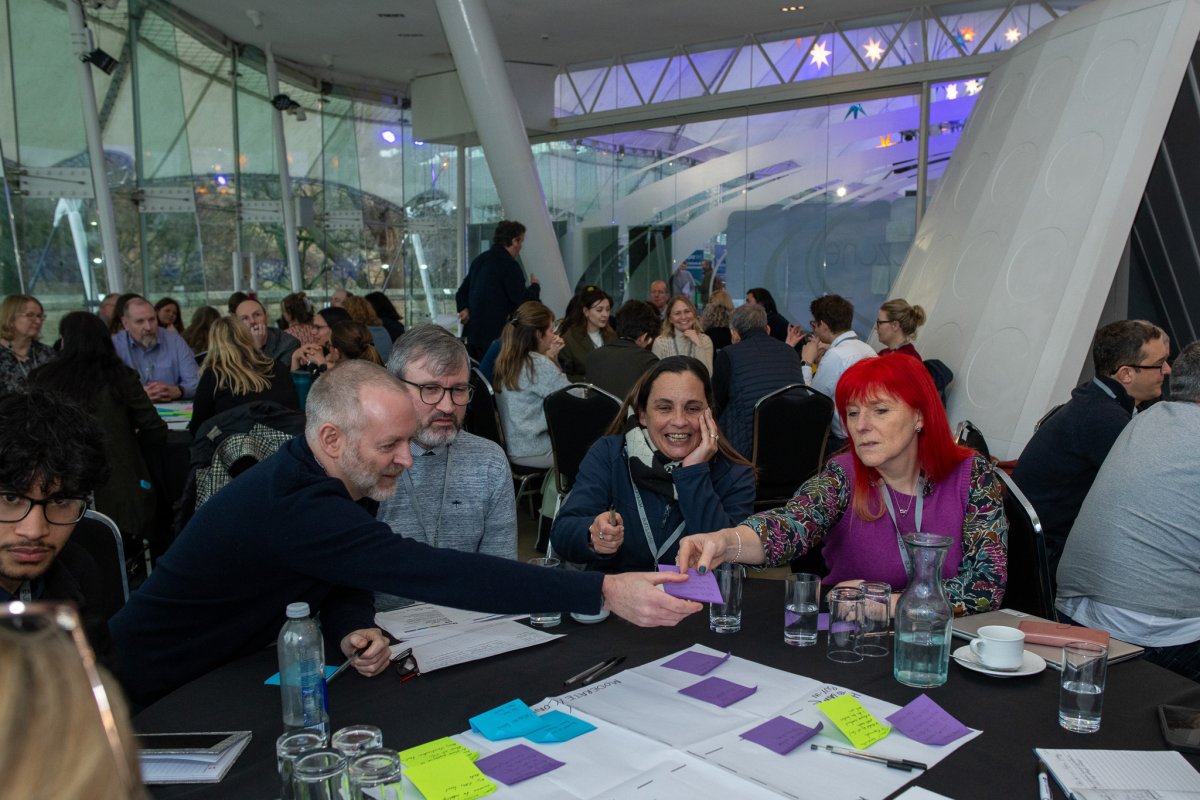
Part 1: Policy and process – The strategic roadmap
The Scottish Government and the Scottish Environment Protection Agency (SEPA) opened the conference with significant updates on the legislative and practical frameworks designed to protect Scotland until 2045.
The national strategy and funding
In a video address, Ms Gillian Martin, Cabinet Secretary for Climate Change and Energy, highlighted the progress of the 2024 Flood Resilience Strategy. Central to this is a massive data-gathering exercise. The government has provided £1.5 million to SEPA to enhance coastal flooding monitoring and develop a national register of flood and coastal assets. Furthermore, procurement is underway for land and coastal LiDAR mapping to ensure that future decisions are based on the highest-resolution data available.
Looking ahead, a new Flood Recovery Framework is due to be published this summer. This will be a critical resource for local authorities, providing a blueprint for response during major incidents and ensuring that high-value flood protection schemes receive the technical advisory support they require.
The expanding risk profile
The scale of the challenge was quantified by SEPA’s Andrea Johnstonova. Scotland is already preparing for the transition from Cycle 2 (2022–2028) of the Flood Risk Management planning process into Cycle 3. The data is sobering: new assessments, which incorporate surface water data for the first time, indicate that 400,000 properties are currently at risk of flooding in Scotland.
Climate projections suggest this number could swell to 630,000 by the end of the century. To combat this, SEPA is moving from "catchment-based" to "community-based" Potentially Vulnerable Areas (PVAs), ensuring that management plans are user-centric and grounded in local priorities. A Phase 1 consultation on these plans is currently open, closing on 22 April 2026. You can view the consultation here.
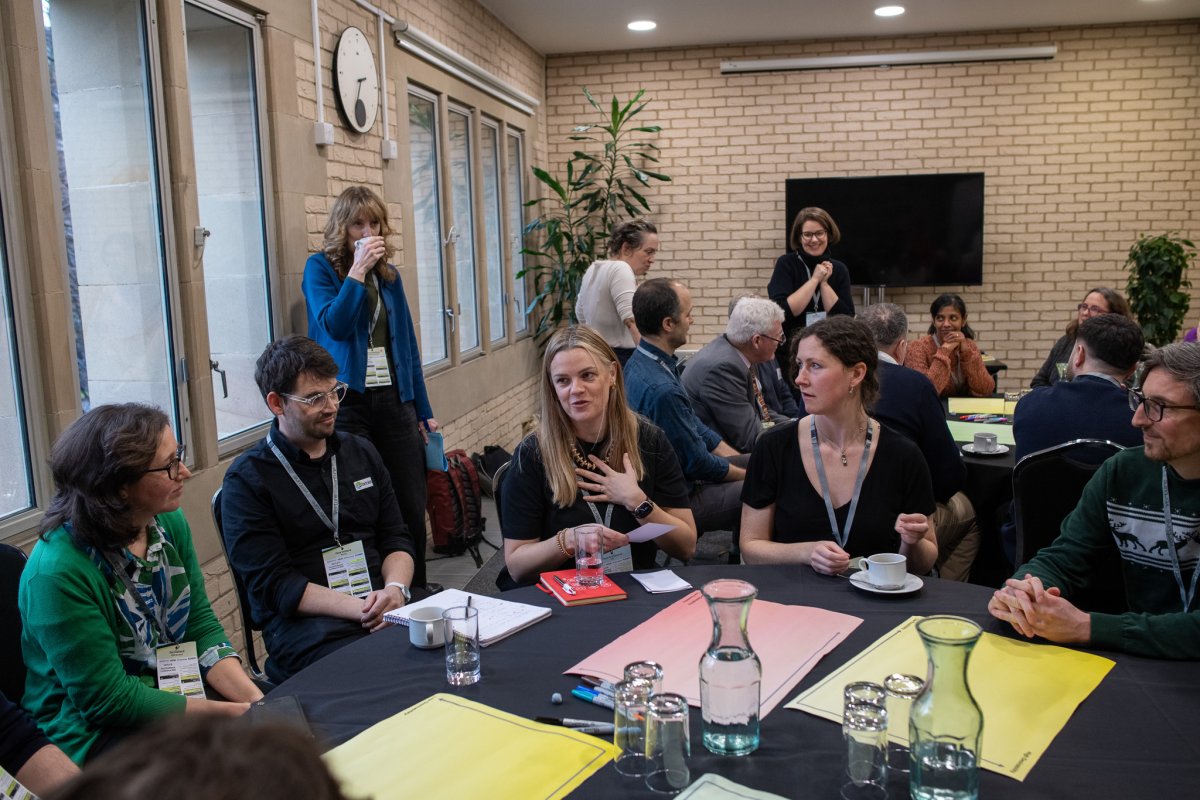
Part 2: Place – adapting our changing coastlines
The "Place" plenary session shifted focus to Scotland’s most dynamic frontier: the coast. With an estimated £1.2 billion in assets at risk from erosion over the next 25 years, the urgency for Coastal Change Adaptation Plans (CCAPs) has never been higher.
The science of sea-level rise
Matt Palmer from the Met Office provided the scientific context, noting that while Scotland benefits from "land uplift" (a geological buffer where the land is still rising after the last ice age), this is being overtaken by accelerating sea-level rise. Since 1900, global levels have risen by ~23cm. The primary uncertainty remains the rate of ice melt in Antarctica, which necessitates a shift in thinking: we must plan for centuries, not just decades.
Case studies in adaptation
The conference examined the statutory requirement for Scotland’s 24 coastal local authorities to develop CCAPs. The lessons learned from early adopters - ranging from the massive 1,200km coastline of Orkney to the complex urban waterfront of Edinburgh - were clear:
- Governance is critical: CCAPs cannot live within engineering departments alone; they must be cross-departmental, involving planning, finance, and community services.
- Flexible planning: Plans must be "data-informed, not data-driven." High-resolution data is often missing, so strategies must be flexible enough to adapt as new information emerges.
- Infrastructure realism: Early engagement with major asset owners like Network Rail and Historic Environment Scotland is vital, as their infrastructure often dictates what is possible for a region.



DIVE RIGHT IN
Sign up to our newsletter
Part 3: People – the human element of resilience
Day two turned the spotlight on the "People" pillar, acknowledging that resilience is as much about psychology and community as it is about concrete and sea walls.
Lessons from the frontline
Alex McDonald (COWI) shared a harrowing account of the 2023–24 winter storms in Derbyshire, where 4,500 internal floods occurred. The response marked a shift away from traditional "town hall" meetings toward multi-agency drop-in roadshows. This one-to-one support proved more effective at "myth-busting" and helping residents navigate grants and warnings.
Crucially, the session addressed staff well-being. Responders often face long, emotive days dealing with people at their most vulnerable. The conference promoted resources like Lifeline Scotland, emphasising that practitioners must maintain boundaries and seek support to avoid burnout.
Behavioural insights and mental health
Fiona Henderson (Glasgow Caledonian University) presented findings on the psychological toll of flooding. Beyond the immediate damage, victims suffer from PTSD, depression, and "solastalgia" (distress caused by environmental change). Research shows that vulnerabilities are not distributed equally: minority groups, the elderly, those in deprived areas, and children face significantly higher risks of long-term mental health impacts.
To address this, a new Household Flood Plan template is being developed using behavioural frameworks (COM-B). The goal is to reduce anxiety by breaking preparedness down into manageable "micro-actions," such as simply checking a flood map.
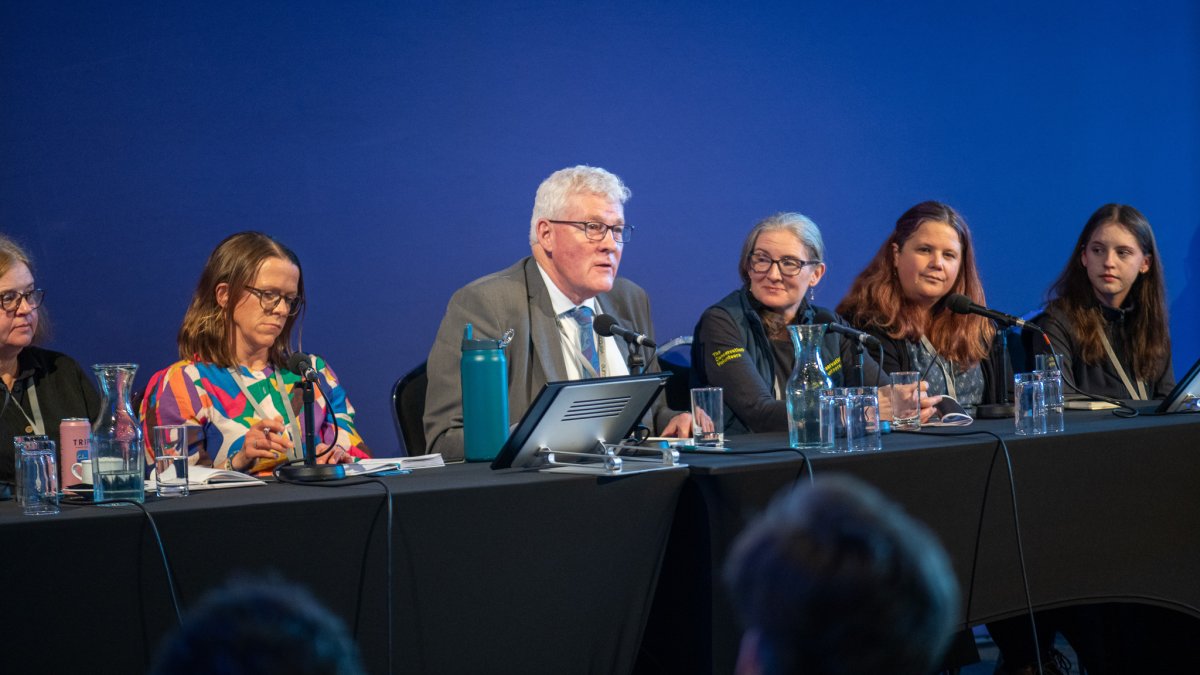
Part 4: Nature-Based Solutions – realism vs. idealism
The final panel discussion brought together experts to discuss the limitations and opportunities of Nature-Based Solutions (NBS). The consensus was one of "NBS Realism." While NBS is vital for biodiversity and managing frequent, smaller events, practitioners must be honest with communities about their limits during extreme, "one-in-200-year" events.
The panel advocated for whole-catchment thinking, where non-intervention or managed realignment is accepted as a valid strategy in specific geomorphological contexts. This requires a difficult conversation about "community responsibility," moving away from a model where residents expect a central authority to "solve" the problem, toward a co-produced appraisal of what is feasible.
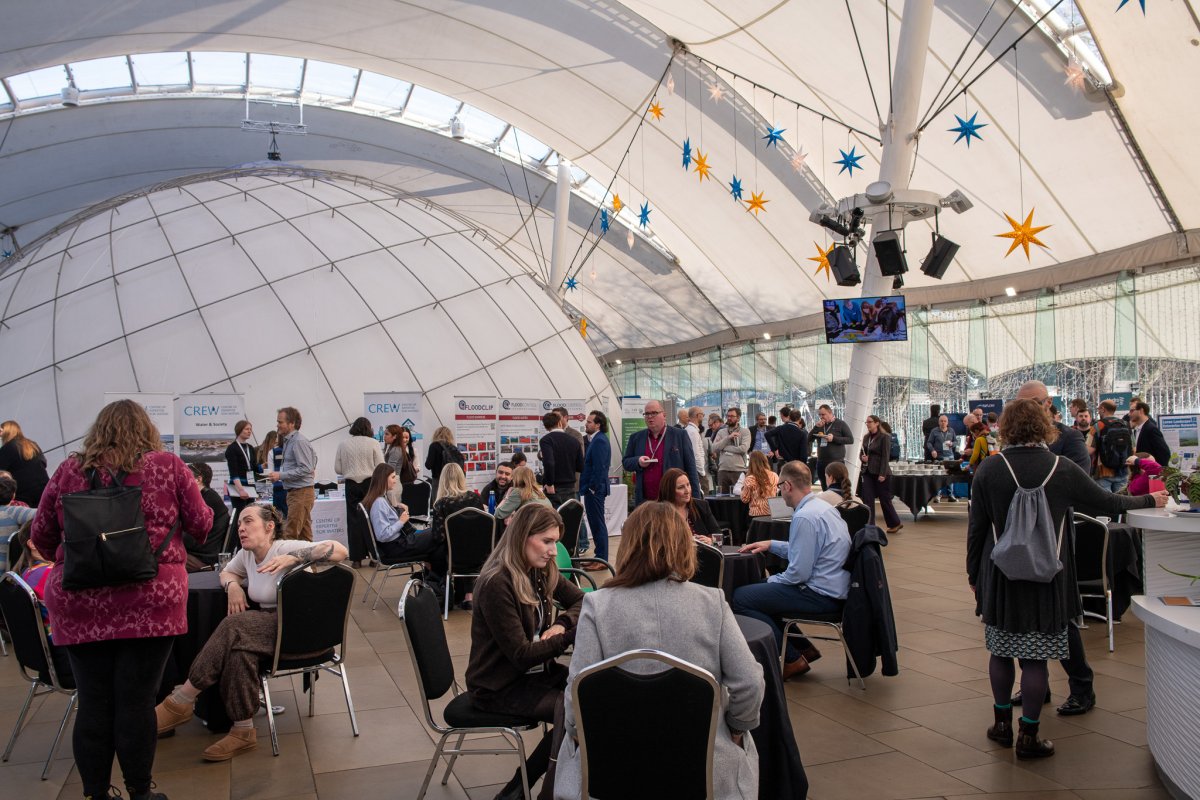
Conclusion: a strategy for the future
The conference concluded with a "keep/change/get rid of" exercise that captured the mood of the attendees:
- Keep: The empathy, passion, and collaborative spirit of the practitioners.
- Change: Modernise legislative frameworks and align funding more closely with local delivery.
- Get rid of: Siloed working and "one-way" broadcast communication.
As Scotland looks toward the final publication of the Cycle 3 plans in 2027 and the implementation of CCAPs across its coastlines, the message from Scotland’s Flood Resilience Conference 2026 is clear. Resilience is a shared responsibility. It requires robust data and sophisticated engineering, but it will ultimately succeed or fail based on our ability to support the people at the heart of the floodplains.
CEO Jo Kerr's said: “The Flood Resilience Conference is a multidisciplinary melting pot, creating new tools for our toolkit. It opens up conversations, shares knowledge and builds connections that help shape a more resilient future. If this is work you care about, we'd love you to join the Verture community and be part of what comes next.”
Whether you were sitting in the venue in Edinburgh or joining from a desk in Cornwall, the call to action remains the same: we must bridge the gap between policy and lived experience. If we can maintain the level of engagement seen at this event, the future of Scottish flood resilience is in very capable hands.
About Verture
Verture is the UK's only registered climate adaptation and resilience charity.
Find out more about Verture, visit their website, or get in touch by emailing info@verture.co.uk